

Rain, Hail, Or Financial Troubles: How To Make Sure You’re Meeting Your Tax Obligations Promptly
24 February 2026
The Impact Digital Assets You Forgot You Owned Can Have On Your Tax
2 March 2026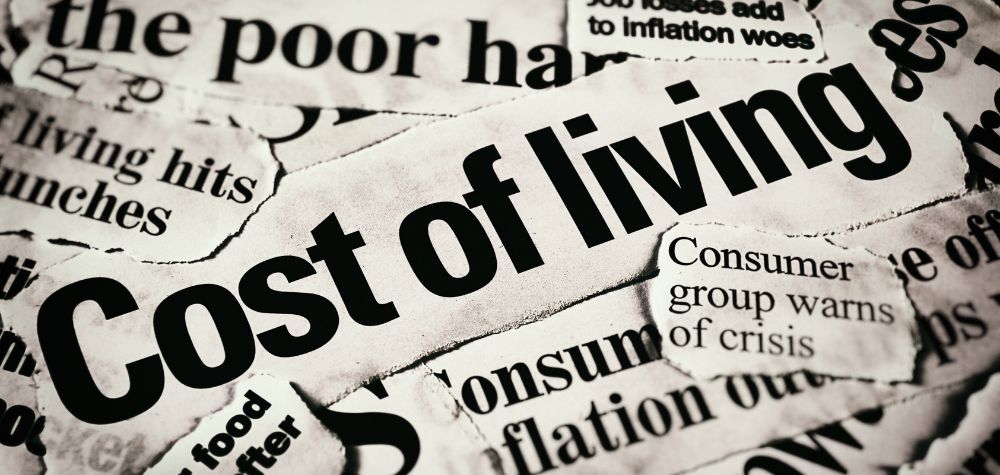
Many Australians are feeling the pinch as everyday expenses climb, sparking conversations about a “cost of living crisis.”
But what exactly does this mean, and why is it affecting so many households?
At its core, a cost-of-living crisis occurs when the price of essential goods and services – like housing, food, utilities, healthcare, and transport – rises faster than household incomes.
When wages don’t keep pace with these rising costs, families and individuals struggle to maintain their usual standard of living.
Why It’s Happening
Several factors have contributed to the current crisis. Globally, inflation has surged in recent years, driven by supply chain disruptions, energy price spikes, and the economic recovery from the pandemic. Locally, housing affordability is a significant factor. Property prices and rents have risen significantly, putting pressure on household budgets.
Energy costs also play a significant role. Australians have faced higher electricity and gas bills, while petrol prices have fluctuated amid global oil market volatility. Even basic groceries have become more expensive, with rising transport and production costs passed onto consumers.
Who Is Most Affected
While nearly everyone feels the impact, low- and middle-income households are particularly vulnerable. Those on fixed incomes, such as retirees relying on superannuation or pensions, often find it harder to absorb price increases. Families with children may face added pressure, as school expenses, childcare, and food costs climb. Small business owners can also struggle as operational costs rise, affecting both profitability and cash flow.
What It Means For Daily Life
For many, the cost-of-living crisis translates into difficult financial decisions. People may cut discretionary spending, delay purchases, or take on extra work to make ends meet. Stress and anxiety about money can also increase, affecting well-being and even health.
Steps To Navigate The Crisis
While individuals cannot control broader economic trends, there are ways to manage the impact. Creating a detailed budget, tracking spending, and identifying cost-reduction opportunities can help. Seeking professional financial advice, especially for managing debt or planning for significant expenses, is another valuable step. For businesses, reviewing pricing strategies, operating costs, and cash flow management can help mitigate pressures.
Looking Ahead
A cost-of-living crisis is challenging, but understanding the factors behind it is the first step toward managing its impact. By being proactive, planning carefully, and seeking support where needed, households and businesses can better navigate this period of financial pressure and maintain stability amid uncertainty.
Powered by WPeMatico