

Estate Planning Isn’t Just For Individuals – How Your Business Can Benefit
2 September 2025
Why Customer Service Intertwines With Business Profitability
16 September 2025
Technology is the backbone of most modern businesses. From payroll systems and accounting software to customer service platforms and security tools, the right technology helps operations run smoothly. But no system lasts forever. At some point, upgrading isn’t just a nice-to-have—it becomes a necessity.
- Security Risks Are Growing
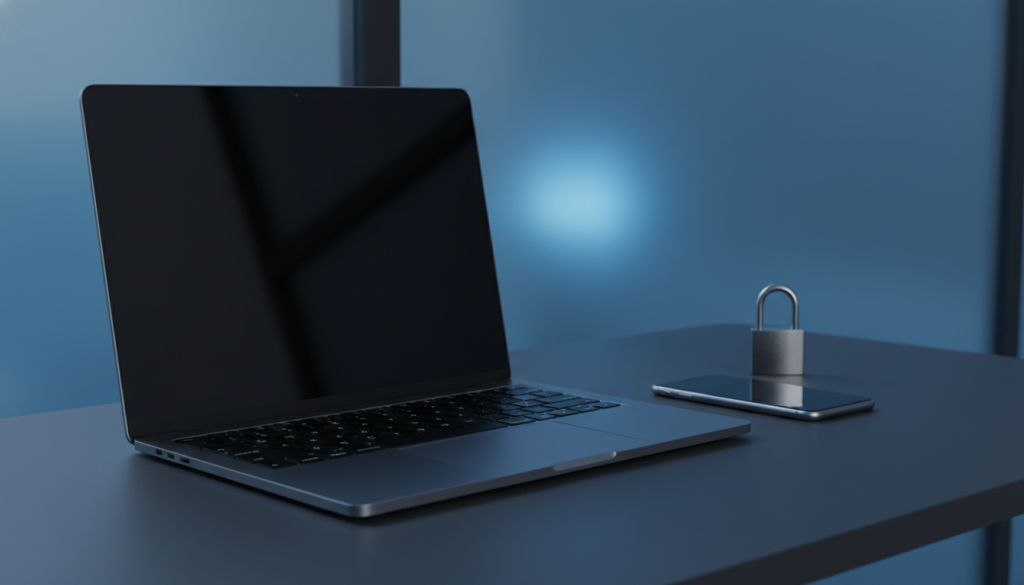
One of the clearest signs it’s time to upgrade is when older technology can no longer be patched or supported by its provider. Unsupported software or outdated hardware creates gaps that cybercriminals can exploit. If your business relies on technology that no longer receives security updates, the risk of a data breach or compliance failure outweighs the cost of upgrading. - Productivity Is Slipping
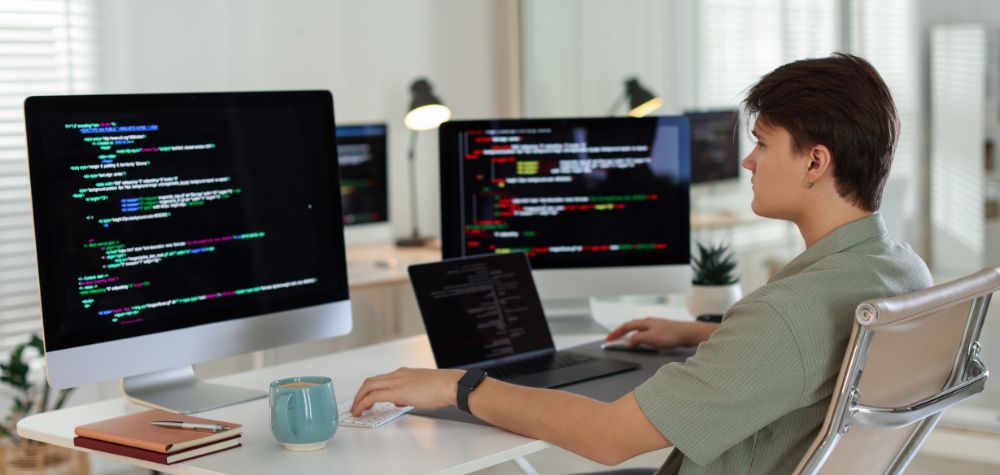
Slow computers, outdated software, and constant “workarounds” chip away at employee productivity. If staff are spending more time troubleshooting than doing their jobs, the technology is hindering your business. Modern systems often streamline tasks, reduce downtime, and free up employees to focus on higher-value work. - Compatibility Issues
As industries evolve, many programs and tools become obsolete due to outdated systems. For example, a new piece of industry-specific software may not integrate with your old accounting package or hardware. When your current setup limits your ability to adopt new solutions, it’s time for an upgrade to keep the business competitive. - Rising Maintenance Costs
There comes a point when the cost of keeping old systems running exceeds the cost of replacing them. Paying for frequent repairs, relying on hard-to-find spare parts, or engaging specialist IT support just to keep things afloat often signals that upgrading is the smarter financial move. - Customer Expectations Are Changing
Clients and customers now expect seamless digital interactions—from online booking systems to mobile-friendly payment options. If your technology seems outdated to them, it can negatively impact customer satisfaction and loyalty. Upgrading ensures your business stays ahead of market expectations.
Balancing Cost with Necessity
While upgrading technology requires investment, delaying it can be far more costly in the long run. The key is to assess your systems regularly, identify pain points, and weigh the risks of staying put versus moving forward.
Ultimately, upgrading isn’t just about keeping up with trends—it’s about ensuring your business remains secure, efficient, and future-ready.
Powered by WPeMatico

Related posts
16 June 2026
18 May 2026
18 March 2026